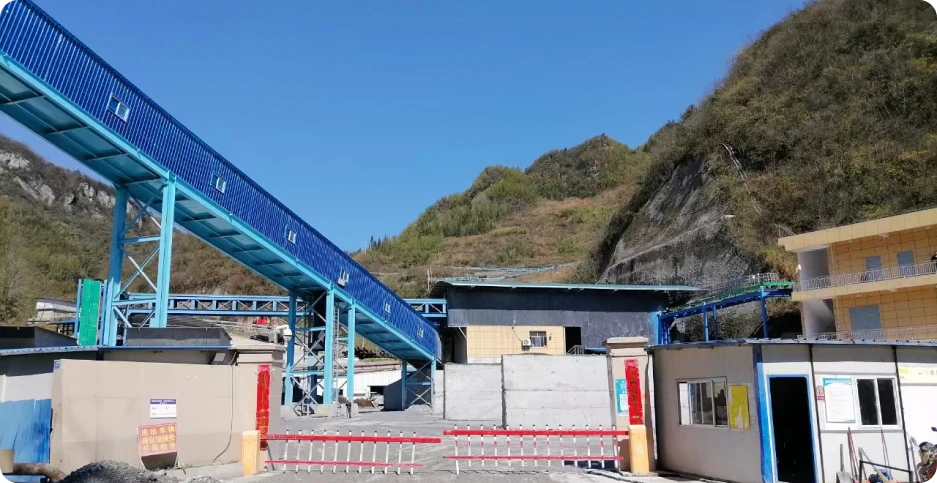
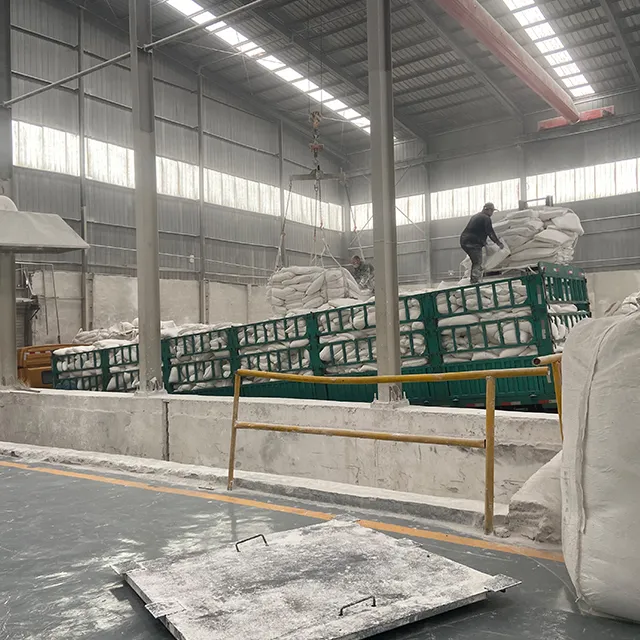
Exploring technical specifications, industry applications, and quality standards of metallurgical coke The global Coke market continues to demonstrate robust growth, with projections indicating a steady CAGR of 5.1% through 2028 according to Grand View Research. Metallurgical Coke remains an indispensable material in industrial processes worldwide, particularly in steel production where it accounts for approximately 30% of manufacturing costs. About Shijiazhuang Baifeng Mining Co.,Ltd Shijiazhuang Baifeng Mining Co.,Ltd is a premier producer of industrial minerals with a specialized focus on high-quality Coke products. With ISO-certified manufacturing facilities located in Hebei Province, China, we maintain exacting quality standards throughout our production process. Website: https://www.baifengmining.com Phone: +86 13739764026 Mobile: +86 13739764026 Email: info@baifengkc.com Address: Lubai Mountain Village, South Yanchuan, Lingshou County, Shijiazhuang City, Hebei, China Understanding Metallurgical Coke Metallurgical Coke is a carbon-rich solid fuel produced by destructive distillation of low-ash, low-sulfur bituminous coal in an oxygen-deficient environment at temperatures reaching 1100-1400°C. During this coking process, volatile compounds are expelled, resulting in a porous material with high carbon content and minimal impurities. The resulting Coke displays exceptional thermal stability, structural integrity at high temperatures, and consistent reactivity properties that make it indispensable in blast furnace operations. Baifeng Coke Product Specification Product: Coke Specification: Size: 1mm-150mm, 20-40mesh, 40-60mesh, 200mesh Form: Powder and Particle Color: Black CAS NO.: 65996-77-2 Fixed Carbon: 86-92% Ash Content: 8-12% Sulfur Content: <0.6% Moisture Content: <4% Technical Parameters of Industrial Coke Parameter Standard Range Test Method Significance Fixed Carbon 86-92% ISO 1928 Primary fuel value indicator Ash Content 8-12% ISO 1171 Impurities affecting efficiency Sulfur Content <0.6% ASTM D4239 Environmental & quality impact Moisture Content <4% ISO 589 Storage stability & handling Volatile Matter 1.0-1.8% ISO 562 Coking completeness indicator CSR (Coke Strength After Reaction) 60-68% ISO 18894 High-temperature structural integrity CRI (Coke Reactivity Index) 25-30% ISO 18894 Reactivity with CO 2 in blast furnaces Coke Market Analysis & Production Trends The Coke industry faces both challenges and opportunities as environmental regulations tighten globally. According to the International Energy Agency (IEA), coking plants represent approximately 6-7% of CO 2 emissions in integrated steel manufacturing. This has spurred innovation in both production efficiency and carbon capture technologies. Industrial Applications of Metallurgical Coke Coke serves diverse industrial functions that leverage its unique combination of thermal, chemical, and structural properties: 1. Blast Furnace Ironmaking Primary consumption (over 90% of metallurgical Coke ) occurs in blast furnaces where it fulfills three essential functions: Fuel source: Achieves temperatures of 1500-1900°C necessary for iron ore reduction Chemical reductant: Converts iron oxides to metallic iron through direct reduction reactions Permeable support: Maintains structural integrity to support iron ore and limestone burdens 2. Foundry Operations In cupola furnaces, foundry Coke serves as the primary heat source for melting ferrous metals. The American Foundry Society specifies cupola Coke requirements in their M-2G standard. 3. Ferroalloy Production Silicon, manganese, and chromium alloys require Coke with specific reactivity parameters to achieve desired metallurgical reactions. 4. Chemical Industry Higher purity Coke grades serve as feedstock in calcium carbide and phosphorus manufacturing. 5. Sinter Plant Fuel Fine Coke breeze (typically -5mm) provides thermal energy for sintering iron ore fines into blast furnace feedstock. Coke Quality Assessment Standards International standards for Coke quality assessment have evolved to address the increasingly demanding requirements of modern blast furnace technology: ISO 18894:2018 - Coke - Determination of coke reactivity index (CRI) and coke strength after reaction (CSR) ASTM D5341-99 - Standard Test Method for Measuring Coke Reactivity Index (CRI) and Coke Strength After Reaction (CSR) JIS K2151 - Testing methods for coke GB/T 1997-2008 - Coke for metallurgical purposes (China national standard) Expert FAQ: Coke Specifications & Applications Q: What distinguishes foundry coke from metallurgical coke? A: Foundry Coke prioritizes stable combustion characteristics rather than the high CSR values essential for blast furnace Coke . Foundry operations typically require larger size distributions (100-150mm), higher fixed carbon content (>90%), and lower reactivity (CRI <25%) to maintain consistent melt temperatures. Q: How does coke size distribution impact blast furnace efficiency? A: Size distribution (40-80mm optimum) significantly affects gas permeability and reduction kinetics. The Society for Mining, Metallurgy & Exploration notes that improper size gradation can increase coke rate by 15-20kg/ton of hot metal while reducing productivity by 8-12%. Q: What is the relationship between CSR and blast furnace performance? A: CSR (Coke Strength After Reaction) measures structural stability at operating temperatures. Research published in the Iron & Steel Technology Journal demonstrated that every 1% CSR improvement increases blast furnace productivity by approximately 0.3% while reducing coke consumption by 0.4%. Q: Why is sulfur content in coke strictly regulated? A: Over 90% of sulfur input from Coke transfers to hot metal, requiring complex removal processes during steelmaking. Higher sulfur levels increase desulfurization costs by $0.50-1.50 per ton of steel produced. Q: What are the key differences between hard and soft cokes? A: Hard Coke (gas coke) is produced at higher temperatures (1000-1100°C) resulting in greater mechanical strength ideal for blast furnaces. Soft Coke (oven coke) made at 600-750°C offers superior reactivity for chemical processes and ferroalloy production. Q: How does moisture affect coke properties? A: Excess moisture diminishes net calorific value and creates handling difficulties. ASTM D3173 specifies standardized moisture measurement protocols to ensure accurate performance predictions. Q: What parameters define high-reactivity coke for silicon production? A: Silico-metallurgical applications require Coke with elevated ash fusion temperatures (>1450°C), low phosphorus content (<0.025%), and tailored porosity characteristics. Reactivity indices (CRI) typically range 35-45% for optimized silicon reduction. Industry Trends & Future Outlook The Coke industry faces multiple transformative pressures while continuing to serve essential industrial functions: Environmental Compliance Initiatives Current research focuses on reducing the carbon footprint of Coke production. Techniques such as coke dry quenching (CDQ) technology have become standard in modern plants, recovering thermal energy equivalent to 35-45kg of steam per ton of Coke produced. Alternative Materials Research Though complete Coke replacement remains technologically infeasible, PCI (Pulverized Coal Injection) technology now supplements blast furnace carbon requirements at rates approaching 200kg/ton of hot metal. Quality Optimization Strategies Modern coking plants increasingly employ digital twins and AI-powered quality prediction systems that improve CSR consistency by 8-12% while reducing energy consumption per ton of Coke produced. Logistics & Supply Chain Innovations Specialized coke handling facilities have reduced degradation losses by >15% through optimized conveying technology and storage management systems. Quality Assurance Protocols Baifeng Mining implements rigorous multi-stage quality assurance throughout our Coke manufacturing process: Raw Material Selection Coal blend formulation incorporating premium coking coals optimized to achieve target CSR values of 63±2%. Coking Control Precision temperature regulation (±15°C) throughout the 18-20 hour coking cycle using infrared thermal imaging technology. Quality Testing Comprehensive analytical program including: Hourly CSR testing via rotary drum apparatus Automated screen analysis for size distribution compliance XRF spectrometry for ash composition verification Proprietary thermal stability assessment protocols Handling & Storage Dedicated covered storage facilities with humidity control to maintain moisture content below 4% prior to shipment. Global Logistics Capabilities Baifeng Mining provides flexible international Coke shipping solutions via bulk carriers and container111 shipment. Standard packing configurations include: Jumbo bags: 1000kg-1500kg capacity with weatherproof liners 25kg multi-ply craft paper bags (palletized shipment) Custom sizes (10-40mm) for pneumatic conveying systems Direct railcar loading for bulk industrial customers Technical References & Industry Publications 1. International Journal of Coal Preparation and Utilization - "Coke Structure Analysis Using Advanced Imaging Techniques" https://doi.org/10.1080/19392699.2022.2067009 2. Iron & Steel Technology - "Blast Furnace Coke Quality Requirements in Modern Operations" https://www.astec.org/coke-quality-review/ 3. Society of Mining Engineers - Global Coke Market Analysis Report 2023 https://www.smenet.org/market-reports 4. World Steel Association - Best Practice Guidelines for Coke Quality Management https://www.worldsteel.org/publications/bookshop/coke-manual.html